You can love 30A and still realize that not every beach town fits the same lifestyle. If you are considering Seaside, the real question is not whether it is charming. It is whether its walkable, design-focused, highly curated setting matches how you want to live, vacation, or invest. This guide will help you understand what Seaside is really like day to day, who it tends to suit best, and where it may fall short for some buyers. Let’s dive in.
What Makes Seaside Different
Seaside is a Gulf-front town on Scenic Highway 30A in Walton County, within the broader South Walton area. It was founded in 1981 by Robert and Daryl Davis and is widely described as the birthplace of New Urbanism. From the beginning, the town was built around walkability, environmental sensitivity, and shared community life.
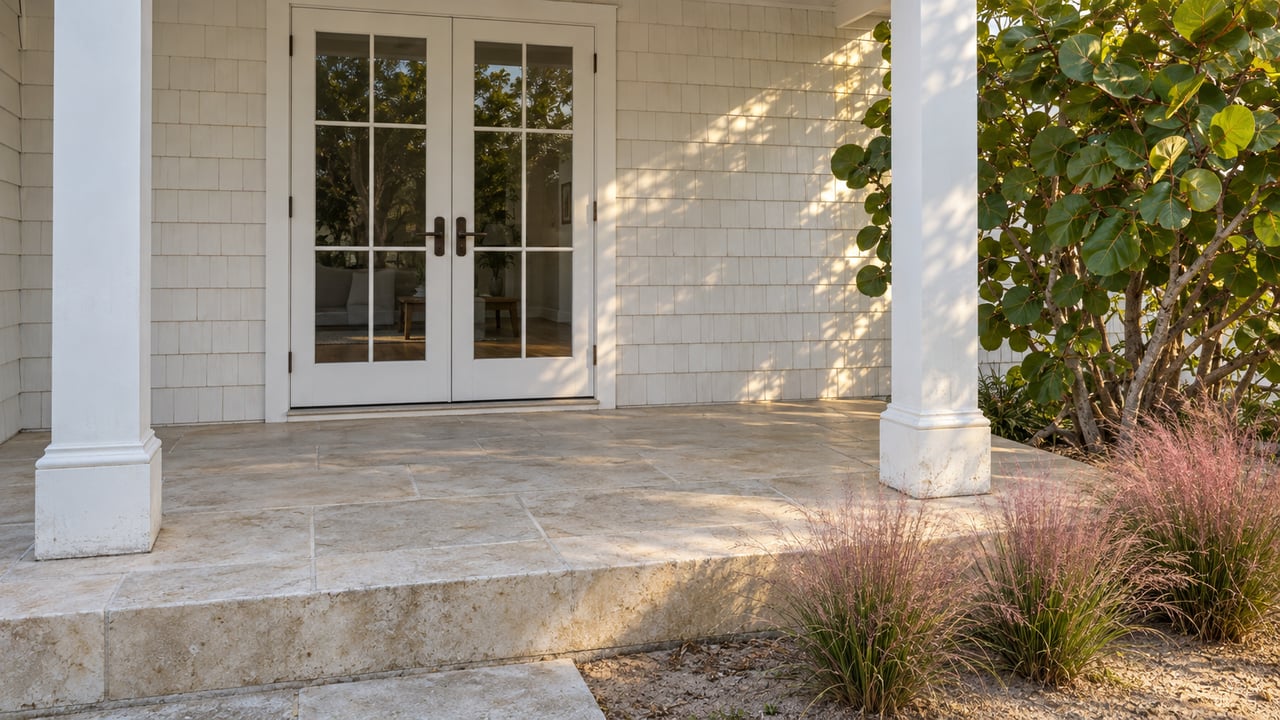
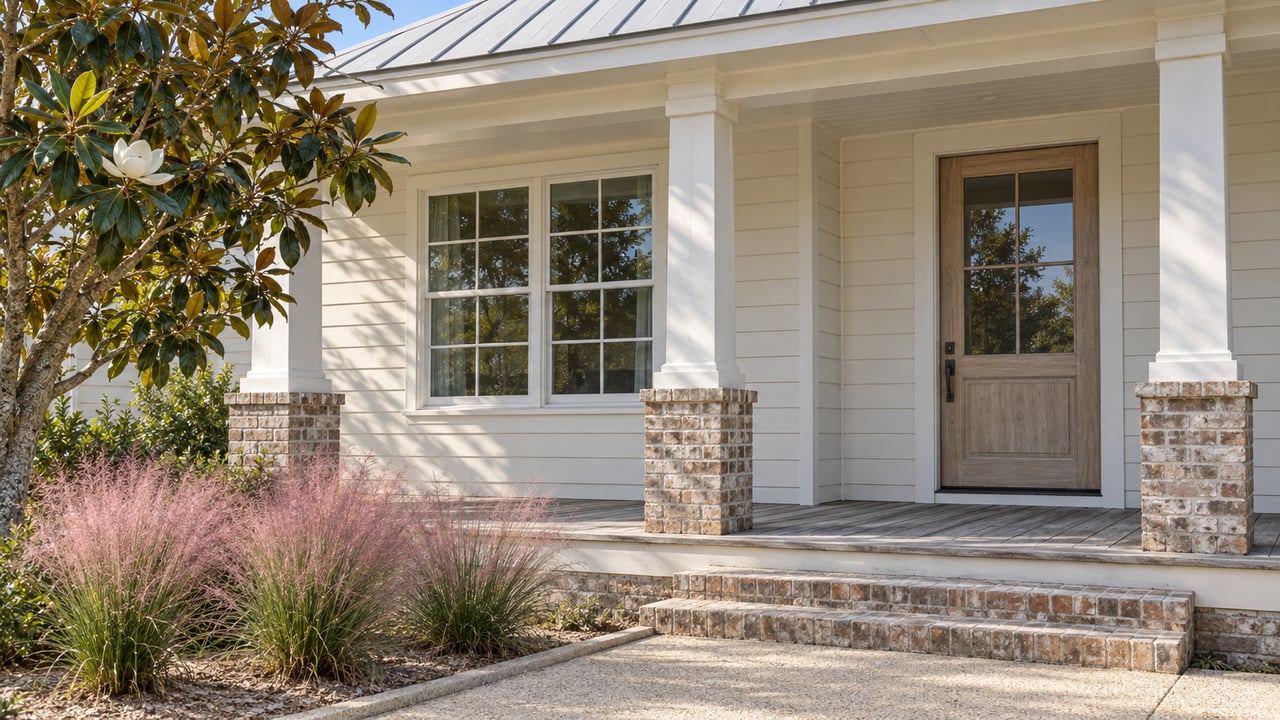
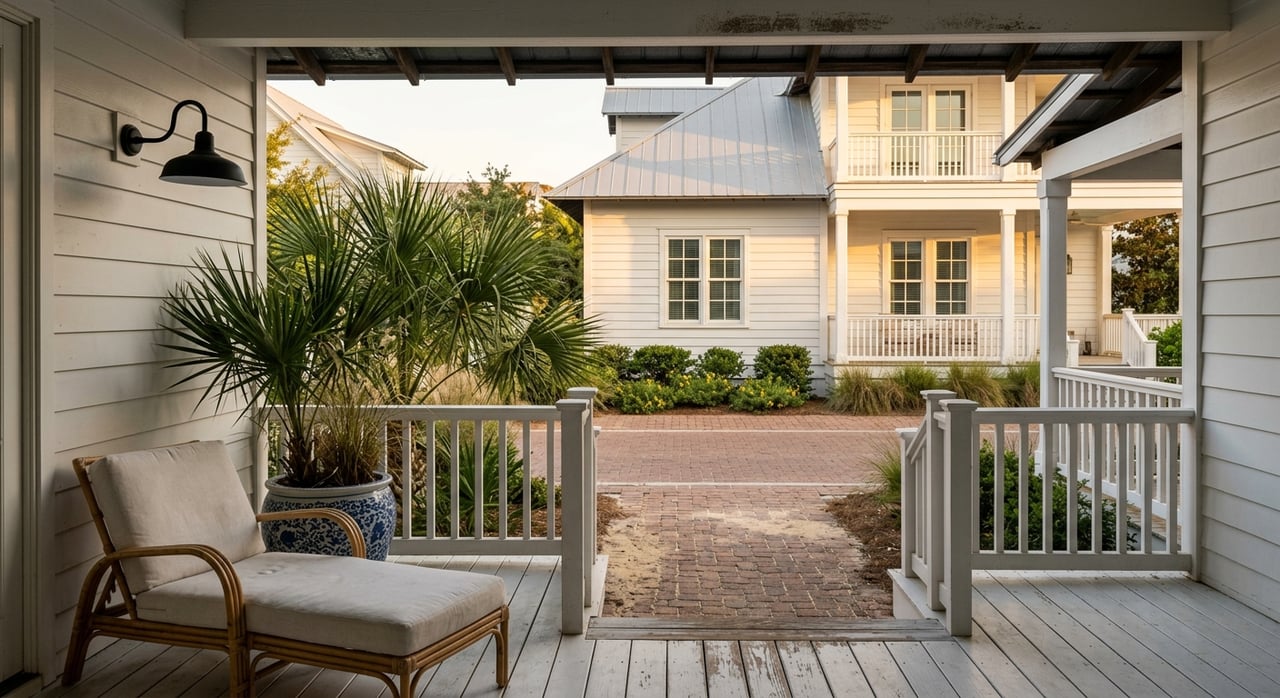
That planning shows up in the way Seaside feels. The streets are brick-paved, footpaths cut through white sand, landscaping leans native, and front porches shape the streetscape. The Central Square sits within about a five-minute walk of every residence and The Court hotel, and the town says Seaside is only about a 10-minute walk from end to end.
In practical terms, Seaside offers a low-driving lifestyle. If you want to wake up, walk to coffee, head to the beach, stop by a gallery, and finish the evening with dinner without moving your car, Seaside is one of the clearest examples of that on 30A.
Seaside Home Style and Layout
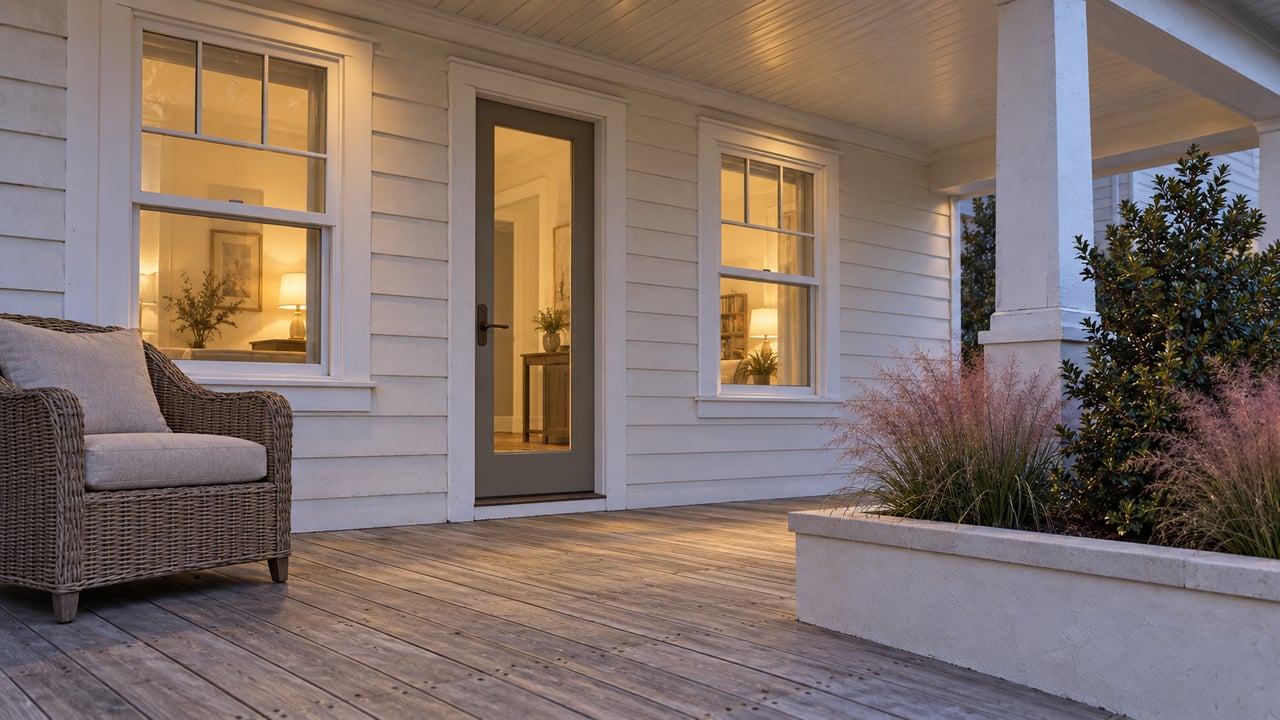
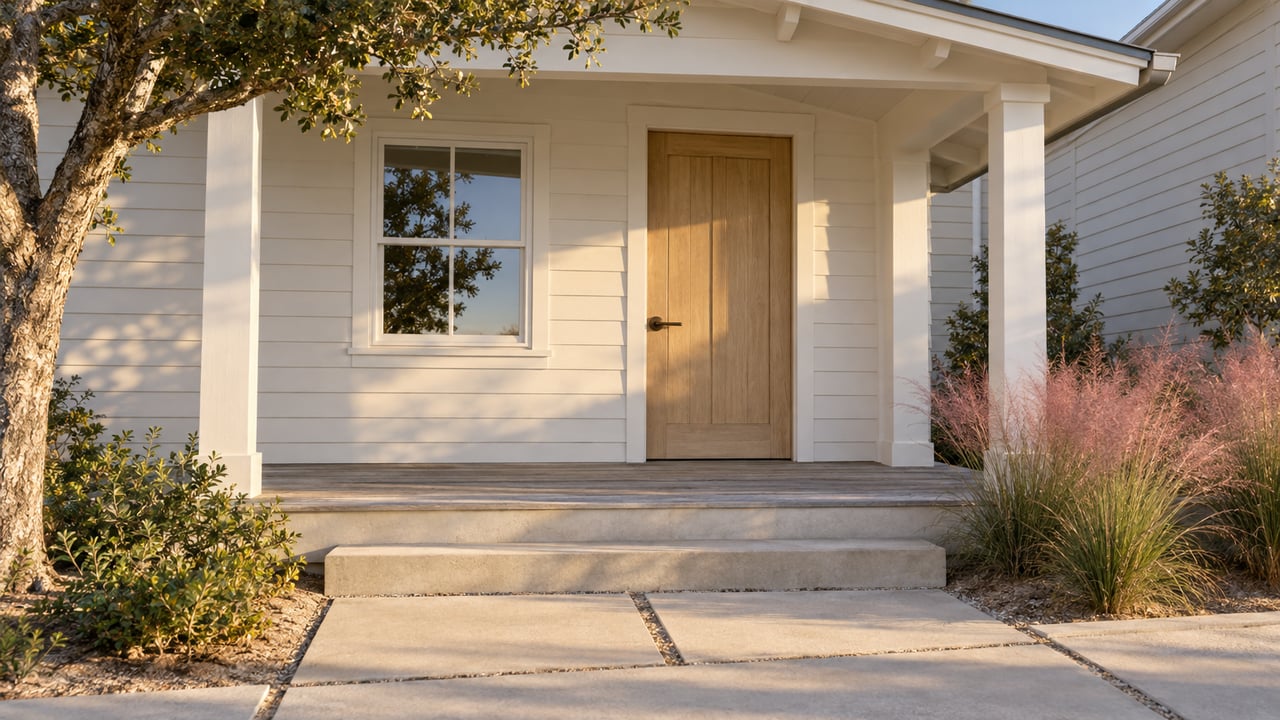
Seaside is not an estate-driven community first. Its housing story is more cottage-centered, with architecture influenced by regional traditions and indigenous materials. The town and Seaside Institute describe a form-based architectural and zoning code that requires certain design elements, such as wood siding, a metal roof, or a front porch.
That creates a strong visual identity. Homes tend to feel intentional and cohesive rather than random or overly mixed. For many buyers, that consistency is part of the appeal because it gives Seaside a distinct sense of place.
It also means your options may feel narrower than in other 30A communities. If you want a wider range of lot sizes, more varied home types, or a looser streetscape, Seaside may feel more structured than you prefer.
Daily Life in Seaside
Seaside works best when you value the everyday rhythm of a compact beach town. The community includes more than 300 homes, shops, restaurants, and galleries, which supports a lively but intimate feel. Instead of spreading outward, much of the experience is concentrated around the town center and its pedestrian-friendly layout.
Beyond the beach, Seaside has three community pools, including a heated lap pool. The public calendar also helps shape the lifestyle, with events such as Art Walk and a Pop-Up District for small businesses. If you enjoy being part of a place with shared public spaces and regular community activity, Seaside delivers that in a very visible way.
For some buyers, this is exactly the point. For others, especially those who prefer a quieter setting with more private space, the same energy can feel a little close-in.
Understanding Seaside Beach Access
Beach access is one of the most important parts of evaluating Seaside, and it is more specific than many buyers expect. The town’s beach experience is organized around nine pavilions, with Coleman Pavilion serving as the central access point and another signature Gulf-front structure known as the Seaside Pavilion.
Access is not open in a broad, generic sense. Seaside states that rental guests receive access to the pavilion on the street where their home or cottage is located, and each street is managed by its own HOA. Outside of that guaranteed access, public use of Coleman Pavilion requires booking through Cabana Man, while Town Center access is reservation-based and comes with rules that prohibit personal chairs, umbrellas, tents, and large coolers.
That matters if you are buying for personal use, guest use, or investment. It is also important to note that the former Van Ness Butler Regional Beach Access between Seaside and WaterColor is no longer a public beach access point, so you should not assume broad nearby public access in the immediate area.
Is Seaside a Good Fit for Second-Home Buyers?
Seaside is a strong fit if you want a second home that feels turnkey from a lifestyle standpoint. The core appeal is simple: you can enjoy a highly walkable setting with immediate access to dining, shops, community spaces, and the Gulf. That kind of convenience is hard to replicate in more spread-out beach communities.
It is especially compelling if you care about design and atmosphere. Seaside does not just offer proximity to the beach. It offers a carefully shaped environment that feels recognizable the moment you arrive.
That said, it may be a weaker fit if your ideal second home includes a large private yard, a more secluded setup, or a less regulated ownership experience. Seaside is intentionally designed and closely structured, and that is a feature only if you want what that structure creates.
Is Seaside a Good Fit for Investors?
For investors, Seaside has real strengths. It has an established vacation-rental ecosystem, a nationally recognized identity, and an exclusive rental platform through Homeowner’s Collection, which manages more than 190 private homes and is owned by participating cottage homeowners. That kind of brand recognition and built-in rental framework can be attractive in a coastal market.
At the same time, Seaside is not a simple plug-and-play investment environment. The town’s access rules, HOA structure, and design controls make it more regulated than a conventional beach market. If you are comparing investment opportunities across 30A, that means Seaside may reward buyers who appreciate a curated product and understand the importance of operating within a defined system.
In other words, Seaside can appeal to investors, but it usually appeals most to those who value strong identity and established demand more than maximum flexibility. If you prefer a looser framework or a broader range of asset types, other communities may offer a better match.
Is Seaside a Good Fit for Full-Time Living?
If you are relocating, Seaside offers a compact and social community feel. Its design encourages regular interaction with public spaces, local businesses, and the beach itself. For buyers who want to be part of an active, walkable environment, that can be a major advantage.
Still, Seaside is not the obvious answer for every full-time resident. The smaller lots, pedestrian orientation, and cottage-centered inventory make it less compelling if you want more room, more privacy, or a larger spread of home styles. The same features that make Seaside special can also make it feel less flexible for certain long-term living preferences.
That is why fit matters so much here. Seaside is rarely a maybe community. Buyers tend to either love its intentionality or realize they want something with more space and fewer controls.
How Seaside Compares to Nearby 30A Towns
Seaside vs WaterColor
WaterColor is one of the clearest comparisons because it sits right next door on the west side. It spans 500 acres, and WaterColor Inn guests have access to 10 resort pools. Amenities like the WaterColor Beach Club and Camp WaterColor are shared by residents and guests and are not open to the general public.
Compared with Seaside, WaterColor reads as more resort-oriented and more amenity-heavy. If you want a larger-scale community with a broader resort feel, WaterColor may stand out. If you want a more compact town center and a stronger village rhythm, Seaside may feel more personal.
Seaside vs Rosemary Beach
Rosemary Beach is also walkable and code-driven, but it tends to feel more formal and more tightly controlled. Its official materials highlight a strict urban code, pedestrian lanes, boardwalks, alley parking, and POA rules that ban golf carts, LSVs, and ATVs. Community guests also receive access to four pools, the Racquet Club, and the Fitness Center.
If you are drawn to walkability and architectural structure, both towns can appeal. In broad terms, Rosemary may feel more formal, while Seaside often feels a bit more relaxed and cottage-rooted in character.
Seaside vs Alys Beach
Alys Beach is perhaps the most visually distinct comparison. Its 158 acres are privately owned, beach access is private for homeowners and vacation-rental guests, and the architecture reflects Bermudian, Moorish, and Guatemalan influences. The town also requires homes to meet Fortified for Safer Living standards.
Relative to Seaside, Alys feels more exclusive, more uniform, and more private. If you want a polished and highly controlled luxury environment, Alys may be the better fit. If you prefer a smaller-scale town with a more traditional cottage vocabulary and a busier public realm, Seaside may feel more approachable.
Seaside vs Grayton Beach
Grayton Beach offers a very different personality. Its official site describes an eclectic village of historic cottages and modern beach homes, and its history notes that state land has helped keep the village small. The overall impression is less master-planned and more organic.
If Seaside feels too curated for your taste, Grayton Beach may be worth a closer look. If you specifically want a designed, walkable, visually cohesive environment, Seaside will likely feel more aligned.
Seaside vs WaterSound
If your priority is product variety, the WaterSound collection offers a broader menu. That includes single-family homes, apartments, townhomes, independent living, and age-restricted communities. Seaside is much narrower by comparison.
That does not make Seaside better or worse. It simply means Seaside is more specialized. Buyers who know they want the Seaside experience often see that focus as a strength.
Who Seaside Is Best For
Seaside tends to be the right fit if you want:
- A highly walkable beach-town lifestyle
- A design-forward community with a strong sense of place
- Quick access to shops, dining, and the Gulf
- A cottage-centered environment with cohesive architecture
- A mature vacation-rental ecosystem in a recognized 30A destination
When Seaside May Not Be Right
Seaside may be a weaker fit if you want:
- Larger lots or more private outdoor space
- Less oversight and fewer design controls
- Broad public beach-access assumptions nearby
- A wider variety of property types
- A quieter or less socially active community layout
Final Thoughts on Seaside
Seaside is one of the most recognizable towns on 30A for a reason. It offers a walkable, visually distinct, beach-centered lifestyle that feels carefully composed from the streetscape to the shoreline. For the right buyer, that creates a rare mix of charm, convenience, and identity.
The key is being honest about what you want. If you are looking for maximum privacy, larger homesites, or a less structured ownership experience, another 30A community may fit better. But if you want a compact, design-led beach town with strong character and a proven rental presence, Seaside deserves serious consideration.
If you want help comparing Seaside with other 30A communities or identifying the right property for your lifestyle or investment goals, Cole Blair Properties, LLC can help you evaluate the details with a local, strategic lens.
FAQs
What is Seaside, Florida known for on 30A?
- Seaside is known as a Gulf-front town on Scenic Highway 30A in Walton County and is widely described as the birthplace of New Urbanism, with a compact, walkable layout and strong architectural identity.
How walkable is Seaside for buyers considering daily life?
- Seaside says its Central Square is within a five-minute walk of every residence and that the town is about a 10-minute walk from end to end, making it one of the most walkable communities on 30A.
How does beach access work in Seaside for owners and guests?
- Seaside organizes beach access around nine pavilions, and rental guests receive access tied to the pavilion on their street, while other access points such as Coleman Pavilion and Town Center operate under specific booking or reservation rules.
Is Seaside a good place for a vacation rental investment?
- Seaside can be appealing for vacation-rental investors because it has a recognized brand and an established rental ecosystem, but buyers should also understand that access rules, HOA structure, and design controls create a more regulated environment than some other beach markets.
How does Seaside compare with WaterColor and Rosemary Beach?
- Seaside generally feels more compact and village-like, WaterColor feels more resort-oriented and amenity-heavy, and Rosemary Beach tends to feel more formal and tightly controlled.
Who is the best fit for buying a home in Seaside?
- Seaside is typically best for buyers who want a design-forward, walkable beach-town experience with easy access to dining, shops, community spaces, and the Gulf.