Stand at the new dune walkover on County Highway 30A this week, directly across from Cafe Thirty-A, and you'll see a lifeguard chair with a number stenciled on its side: Tower 21. The paint is still bright. The restroom building behind it is new. The ADA ramp down to the sand is new. The crew stationed there each day until 6 p.m., through the end of October, is new too. Walk two minutes down County Road 395 to the old Village Market and none of that has moved an inch since 1949.
That gap, between something that just arrived and something that never left, is the actual story of Seagrove Beach in 2026. The neighborhood picked up two new gathering spots this year, one on the beach side of 30A and one on the forest side, and they got here on completely different timelines. Understanding why tells you more about how this stretch of highway actually works than another list of restaurants ever could.
Nine Years for 1.34 Acres
Walton County bought the land for what's now called the Seagrove Regional Beach Access back in 2017. Construction didn't start until July 2024. The ribbon cutting came this year, with county officials and the Beach Operations and Tourism departments gathering to mark the opening of the county's 10th regional beach access, sitting on 1.34 acres just east of Highway 395. Beach Operations Director Brian Kellenberger put the design and permitting timeline at about five years on its own, before a shovel ever went into the ground.
The finished project cost $8.9 million. Five million of that was the land itself. Just over $200,000 went to engineering. The rest built 23 parking spaces with dedicated spots for standard vehicles, ADA access, and bikes, a 1,011-square-foot restroom facility, and an ADA-accessible dune walkover with rinse showers that connects straight into the multi-use path running along 30A. The project also adds 100 feet of additional public beach frontage, and Beach Operations Director Josh Ervin noted the county finished under budget on it, which is the kind of detail that only shows up when you go looking for how a beach access actually gets built rather than just enjoying it once it's there.
The whole thing was paid for through the tourism development tax, the 5 percent bed tax collected on stays of six months or less in South Walton's hotels, condos, and short-term rental homes. It's worth sitting with that for a second: this project, which sits directly across the highway from one of Seagrove's oldest restaurants, was funded entirely by visitors staying somewhere else in the county, not by a new tax on Seagrove residents themselves.
A Market Shows Up in One Spring
Compare that to what happened at Greenway Station, the newer development anchored by The Lodge 30A near the Point Washington State Forest trailhead. The Greenway Station 30A Farmers Market debuted May 20 and 21, 2026, and now runs weekly on Wednesdays and Thursdays from 9 a.m. to 1 p.m. There was no multiyear design phase, no land acquisition, no ribbon cutting with commissioners. A private market added produce, meats, dairy, eggs, honey, baked goods, cold-pressed juices, crab cakes, local seafood, bath and body products, and pet treats to a lineup of shops that already included YOLO Board and Bike, the Salty Butcher, Turbo Coffee, and Jonah Allen's photography gallery. One spring, and it was running.
That's not a knock on the county's process. A beach access involves land title, engineering for stormwater, ADA compliance, and public bidding. A weekly farmers market involves a parking lot, some vendors with folding tables, and a Wednesday. But the speed difference is exactly why it matters to know both stories: if you're trying to guess what Seagrove looks like in another two years, the public side moves at the pace of a five-year permitting cycle and the private side moves at the pace of a good idea and an open lot.
Two New Anchors, Bracketing the Same Stretch
Here's the part that a generic 30A guide won't tell you, because it requires knowing where things actually sit relative to each other. The new beach access is on the Gulf side of the highway, right at the heart of old Seagrove, close enough to Cafe Thirty-A that you can see one from the other. The Greenway Station market is on the forest side, near the trailhead into Point Washington State Forest, a few minutes' bike ride away. In the space of one year, Seagrove effectively got new front doors on both ends of its daily geography: a beach entrance built by the county, and a weekday market and retail cluster built by private developers.
That leaves the middle of the neighborhood, the stretch anchored by Seagrove Village Market Cafe since 1949 and Cafe Thirty-A since 1995, doing what it's always done. Neither of those places needed to change anything about how they operate. But they now sit between two new draws that didn't exist a year ago, which changes the texture of a normal week even if the old restaurants themselves are unchanged.
Meanwhile Seagrove Plaza, the older shopping center further down 30A that's anchored the strip for years, picked up Coastal Steamer and Cafe this spring, another new tenant in an existing building rather than a ground-up project. So growth in Seagrove right now isn't happening in one place. It's happening in three separate pockets at three separate speeds: a decade-long public infrastructure project, a fast-moving private development adding programming, and an old strip center backfilling a vacancy.
What This Actually Means for a Normal Week
If you already live here, the practical shift is this. The new beach access adds a staffed, ADA-accessible entry point in the middle of Seagrove that didn't have a lifeguard tower before, which means more people parking and walking onto the sand right across from Cafe Thirty-A during the same hours that restaurant fills its own tables. The parking lot only holds 23 spaces, so it fills fast on a clear morning, and Tower 21's staffed hours end at 6 p.m., after which the beach reverts to unguarded like the rest of the stretch.
The Greenway Station market gives residents an actual reason to be at Greenway on a Wednesday or Thursday that isn't checking into The Lodge or renting a paddleboard. If you've been driving past Greenway Station on your way somewhere else, the market is the first thing there built specifically around a weekly habit rather than a one-time visit.
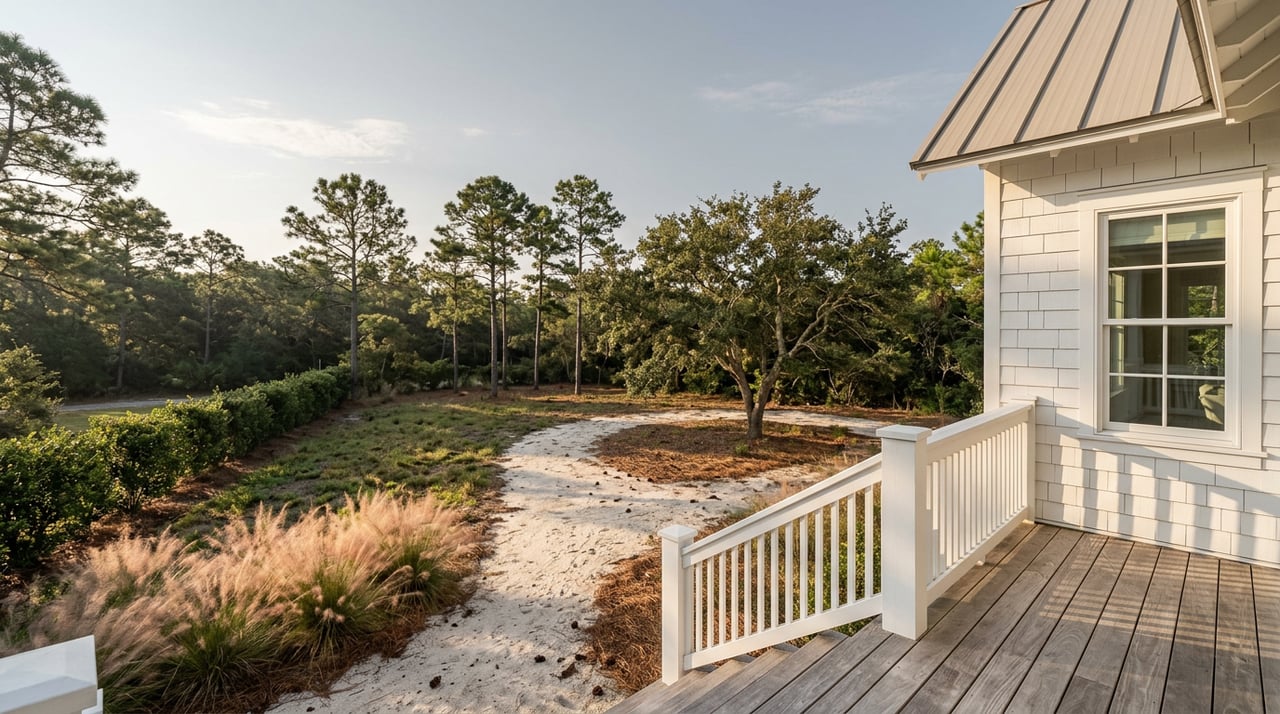
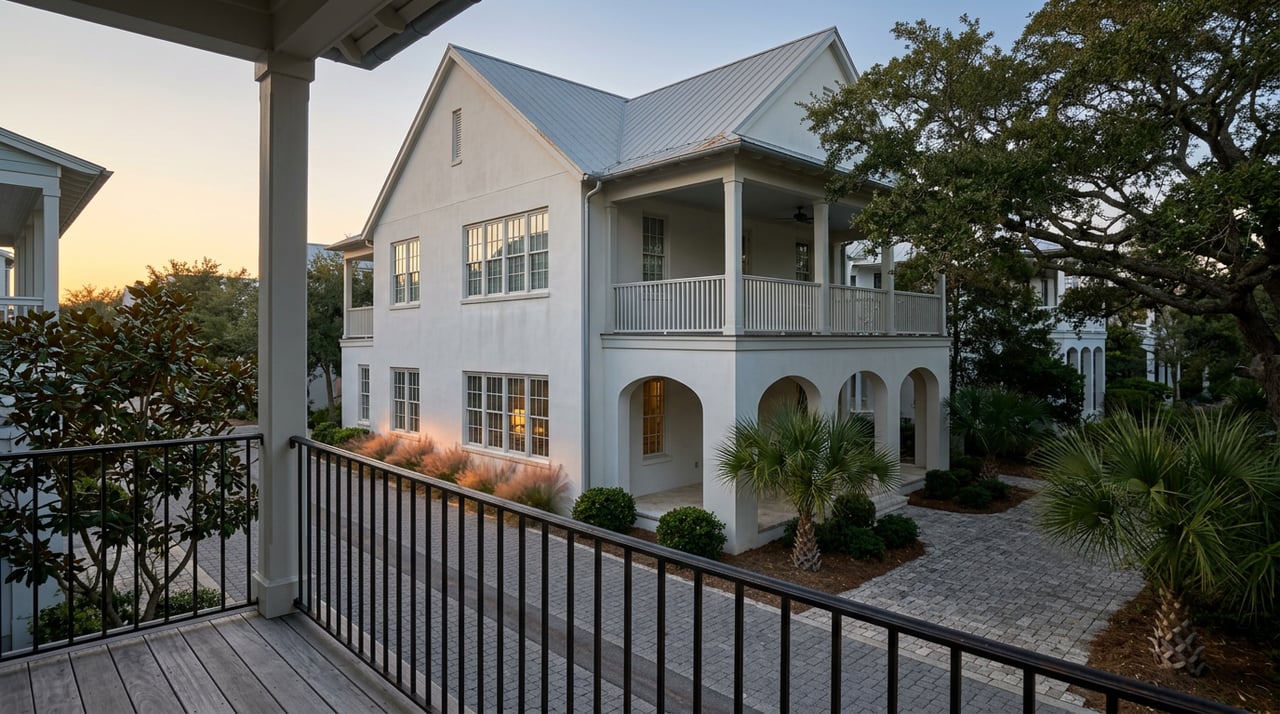
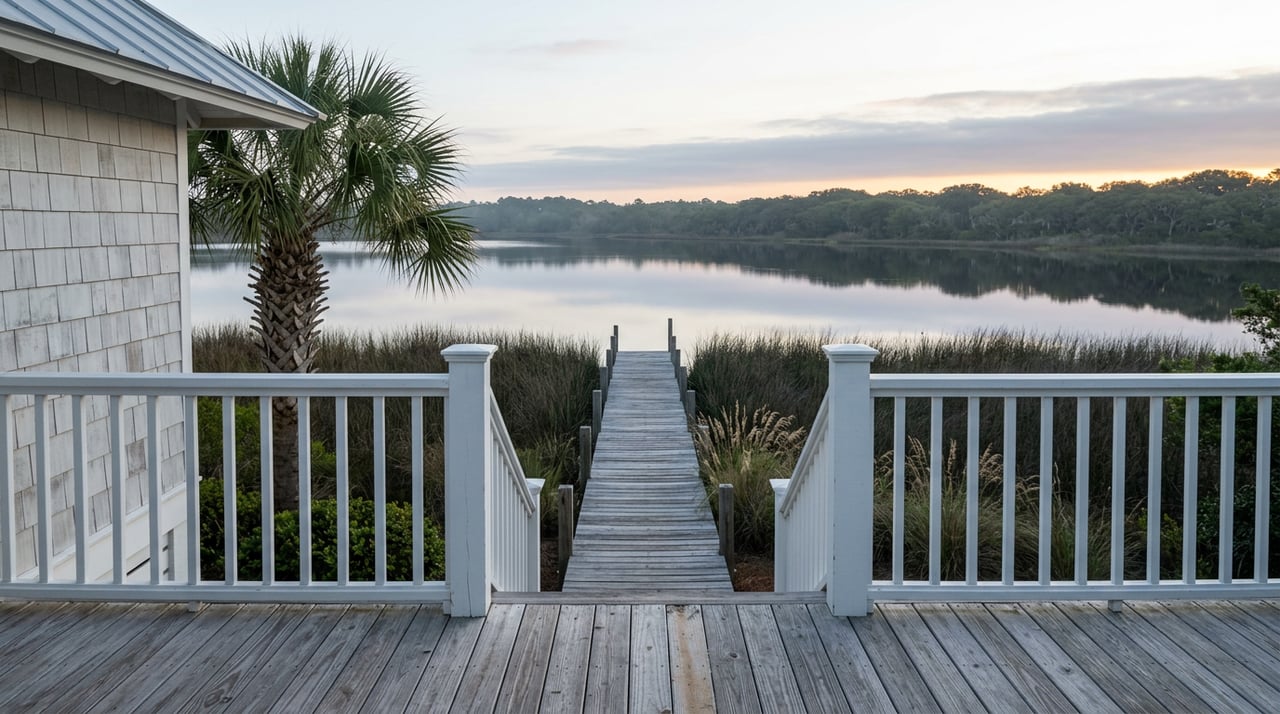
None of this changes the fundamentals of Seagrove, the oak-lined streets, the dune lakes, the walk-or-bike-only access points that have defined the community for decades. What's changed is that two brand-new pieces of infrastructure, one public and slow, one private and fast, landed on opposite ends of the same three-mile stretch in the same year, and each one is going to shape a different part of your week depending on whether you're headed to the beach or headed inland.
If you're watching how Seagrove's new anchors are shifting foot traffic, parking demand, or the kind of property that sits closest to them, that's exactly the kind of block-by-block detail Cole Blair Group tracks day to day on 30A. Reach out if you want a read on what these changes mean for a specific address.