Are you thinking about rolling sale proceeds into an Inlet Beach property through a 1031 exchange? It can be a smart move, but this part of the 30A market rewards buyers who plan early and verify the details. If you want to understand how an Inlet Beach property can fit a 1031 strategy, what rules matter most, and where local due diligence comes into play, this guide will walk you through it. Let’s dive in.
Why Inlet Beach Shows Up in 1031 Searches
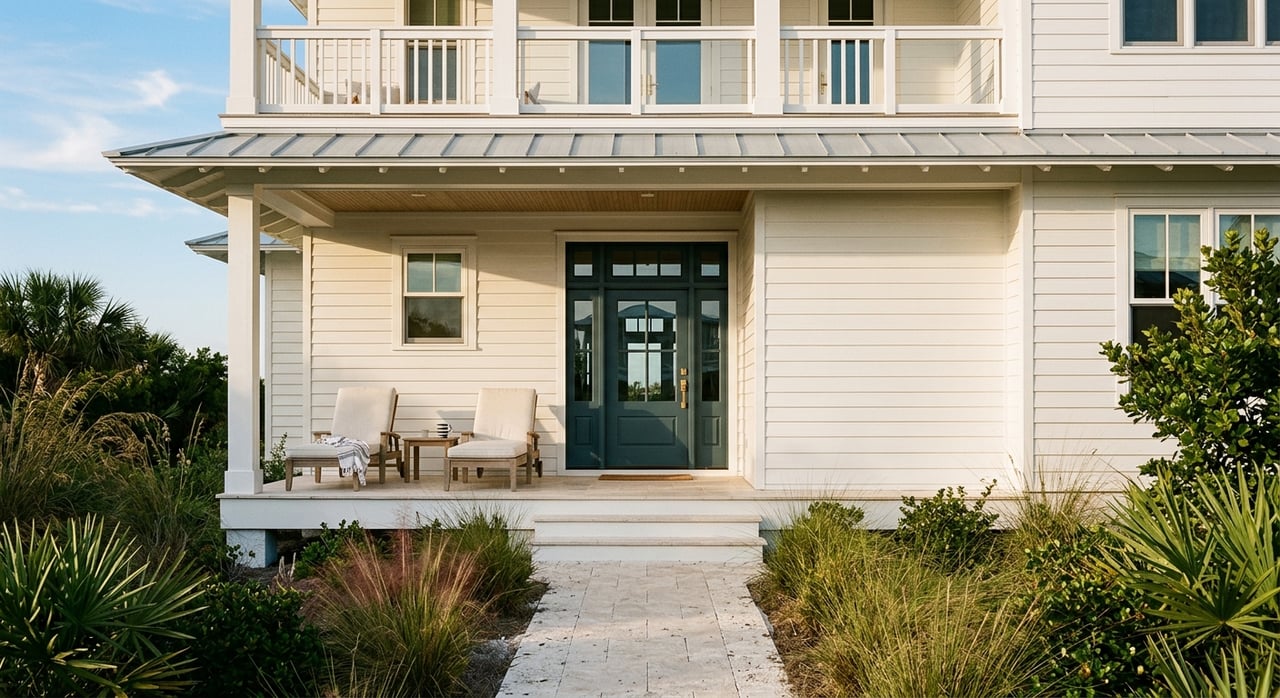
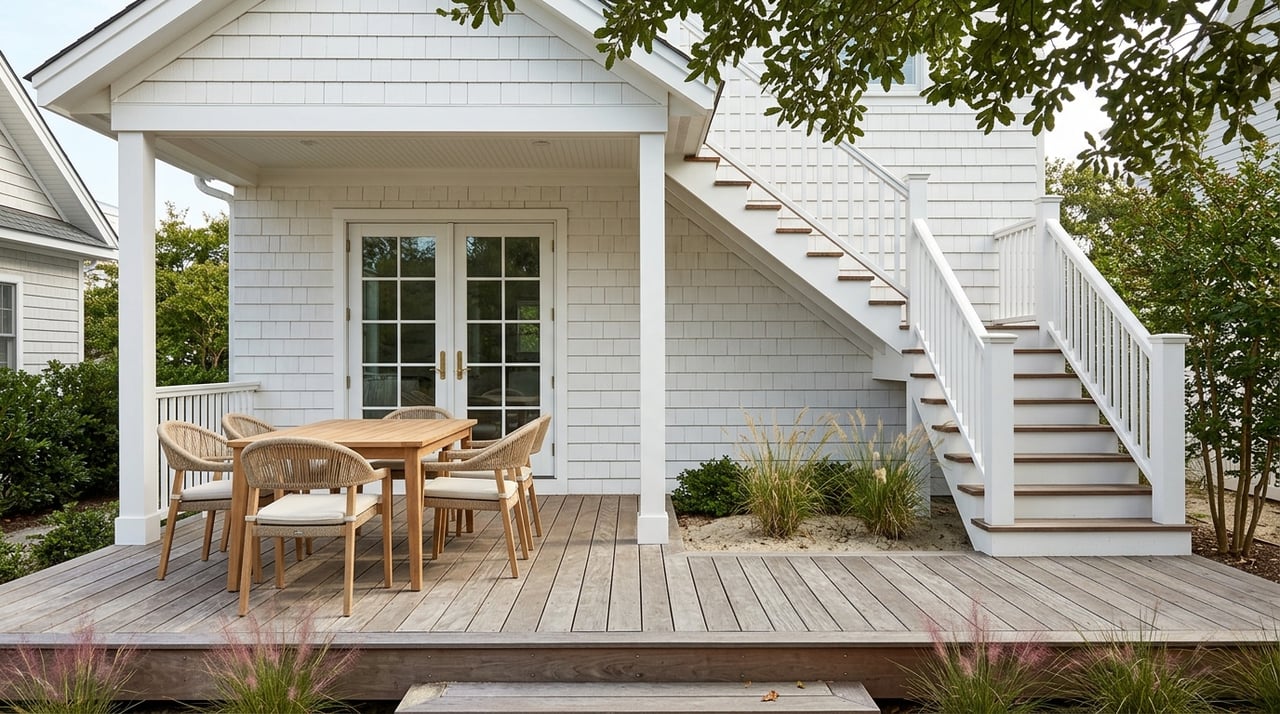
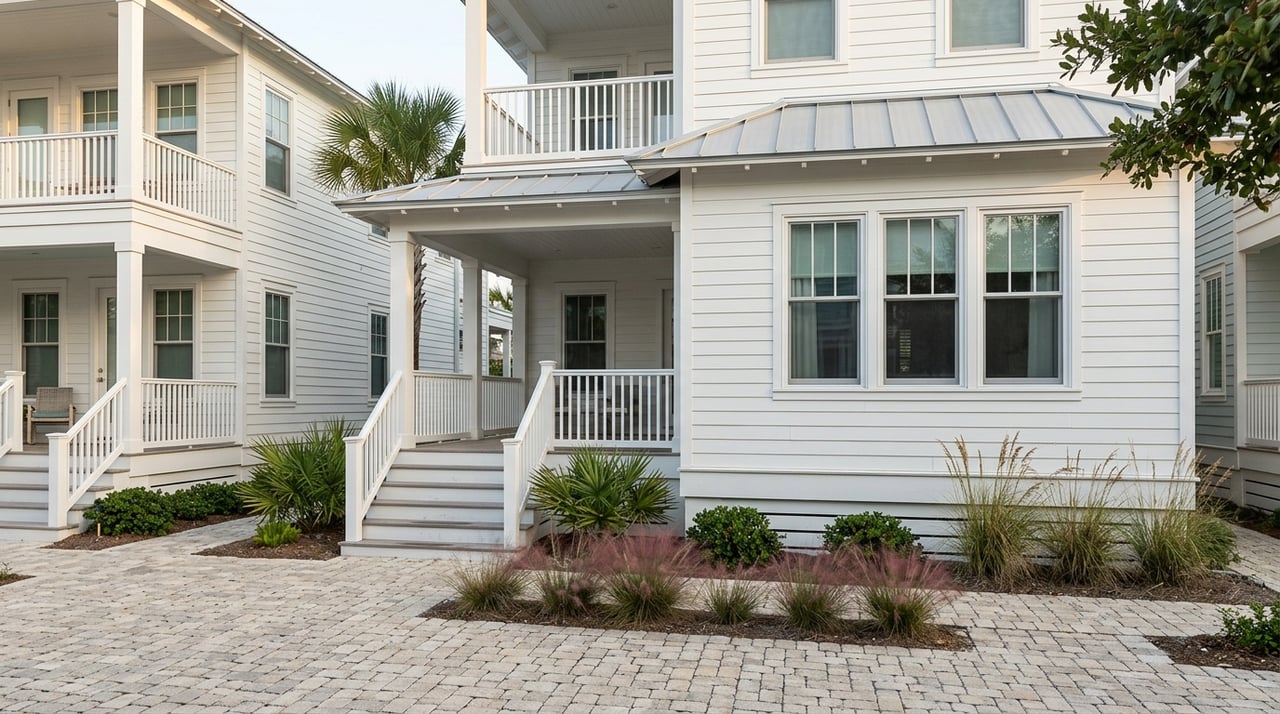
Inlet Beach often draws investor attention because it offers a range of property types in a recognizable coastal setting. According to Visit South Walton, the area includes beach homes, cottages, condos, townhomes, and villas, which gives you more flexibility when comparing replacement options.
Location is also part of the appeal. Inlet Beach sits at the east end of South Walton near the Bay County line, with access to the Gulf, Lake Powell, and nearby village-style commercial areas. For many buyers, that means you can evaluate not just the property itself, but also how it fits into the broader east-end 30A experience.
Walkability matters here too. Visit South Walton describes 30Avenue as the gateway to 30A, and notes its proximity to neighboring centers like Rosemary Beach, Seacrest, and Alys Beach. In practical terms, that can influence how you compare investment properties based on convenience, visibility, and guest appeal.
Natural features help shape demand as well. Camp Helen State Park borders both the Gulf and Lake Powell, and Florida State Parks identifies Lake Powell as the largest coastal dune lake in Florida and North America, covering almost 800 acres. The Highway 98 and 30A underpass also supports pedestrian access without crossing traffic, which adds to the importance of location-specific access in this submarket.
What a 1031 Exchange Requires
A 1031 exchange applies only to U.S. real property held for investment or for productive use in a trade or business. Based on IRS guidance, a personal residence does not qualify, and property held primarily for sale does not qualify either.
The good news is that like-kind treatment for real estate is broad. You can exchange one type of investment real estate for another type of investment real estate, which means improved and unimproved property can both be considered. In an Inlet Beach search, that may open the door to cottages, condos, townhomes, villas, or land, as long as the replacement property is intended for investment or business use.
It is also important to understand what a 1031 exchange does and does not do. The tax is generally deferred, not erased, and the basis of the replacement property usually carries over. If you receive cash or other non-like-kind property as part of the transaction, that can create taxable boot.
Timing Rules You Cannot Miss
The biggest pressure point in a deferred exchange is timing. IRS rules require you to identify replacement property in writing within 45 days after transferring the relinquished property.
You also must receive the replacement property by the earlier of 180 days after the transfer or the due date of your tax return for the year of transfer. These deadlines are strict, which is why buyers often benefit from narrowing their search before the original property closes.
The exchange structure also matters. IRS guidance explains that the seller cannot actually or constructively receive the sale proceeds in a deferred exchange. That is why a qualified intermediary is typically part of the process.
When a Vacation Home May Qualify
In a beach market like Inlet Beach, many buyers ask the same question: what if the property has both personal and rental use? That is where IRS Revenue Procedure 2008-16 becomes especially relevant.
This safe harbor applies to a dwelling unit with mixed personal and rental use if certain standards are met. The relinquished property must be owned for at least 24 months before the exchange. It also must be rented at a fair rental for at least 14 days during each of the two 12-month periods immediately before the exchange.
Personal use is limited too. During each of those 12-month periods, your personal use cannot exceed the greater of 14 days or 10 percent of the number of days the unit was rented at fair rental. If you want the replacement property to fit the same safe harbor, similar post-exchange use standards apply.
That is one reason accurate records matter so much in a coastal market. If an Inlet Beach property has been used for owner stays as well as guest rentals, the rental logs and personal-use history can be central to evaluating whether the property supports an investment-use position.
Inlet Beach Due Diligence Matters
Not every appealing property will work the same way in a 1031 exchange. Inlet Beach has a neighborhood overlay district, and Walton County states that development proposals must comply with the Land Development Code and neighborhood design guidelines.
That point is especially important if you are looking at an older cottage, a redevelopment opportunity, or a property with renovation potential. Some lawful nonconforming uses and vested rights may continue, but redevelopment potential should be reviewed on a parcel-by-parcel basis rather than assumed.
For investors, this means due diligence should go beyond photos and pro formas. You want to understand the specific property’s physical setting, access, existing use pattern, and any local development constraints before your 45-day identification window expires.
Check Rental Compliance Before You Buy
If you are buying an Inlet Beach property with short-term rental history, compliance review is essential. Florida DBPR states that a vacation rental license is required for certain condos, cooperatives, and one- to four-family dwellings that are rented more than three times in a calendar year for periods shorter than 30 consecutive days, or that are advertised as regularly rented.
Florida DOR also requires registration to collect sales tax on short-term living accommodations, and counties may impose local transient rental taxes. In Walton County, the county’s Vacation Rental Registration Program adds another layer.
Walton County states that short-term vacation rentals require annual registration. The county also notes that Florida DOR registration, DBPR registration, and Walton County tourism development tax registration are prerequisites.
If a property has an established rental operation, you should confirm what registrations are in place and whether the records support continued use. Walton County also says owners should notify the county when a property is sold or removed from the rental market, which makes operational handoff part of the due diligence conversation.
How to Evaluate an Inlet Beach Replacement Property
When the clock is ticking, a simple framework can help you compare options quickly and clearly. In Inlet Beach, many buyers focus on a mix of IRS eligibility, local fit, and operational readiness.
Here are a few practical points to review:
- Investment intent: Is the property realistically suited for investment or business use rather than primarily personal use?
- Property type fit: Does the asset match your goals, whether that means a condo, townhome, cottage, beach home, villa, or land?
- Rental history: Are rental days and personal-use days documented clearly enough to support your tax planning?
- Access and location: How close is the property to beach access, 30Avenue, nearby town centers, Lake Powell, and Camp Helen?
- Walkability: Does the location support the kind of guest or owner experience you want to market?
- Overlay and design rules: Are there parcel-specific development or renovation limits you need to understand?
- Registration status: If used as a short-term rental, are the required state and county registrations current?
This kind of review can help you separate a property that merely looks attractive from one that may truly fit your exchange strategy.
Where Local Guidance Helps Most
A 1031 exchange is both a tax-driven process and a location-driven purchase. In Inlet Beach, local insight matters because two homes with similar pricing can offer very different access patterns, rental positioning, and redevelopment considerations.
That is where a local, investor-minded real estate team can add value. The most helpful support often includes screening exact addresses, comparing holding formats, moving quickly during the identification period, and coordinating the search with your qualified intermediary, CPA, and attorney.
For many buyers, the goal is not just to find a replacement property. It is to find one that fits the exchange rules, aligns with your investment goals, and makes sense in the context of the east-end 30A market.
If you are exploring whether an Inlet Beach property could work in your next exchange, Cole Blair Properties, LLC can help you evaluate the local market with a clear, investor-focused lens and a high-touch process tailored to your goals.
FAQs
What kind of Inlet Beach property can qualify for a 1031 exchange?
- A qualifying Inlet Beach property generally must be U.S. real property held for investment or productive use in a trade or business, such as a condo, townhome, cottage, villa, beach home, or even land, rather than a personal residence.
How do the 45-day and 180-day 1031 deadlines affect an Inlet Beach purchase?
- After you transfer your relinquished property, you generally have 45 days to identify replacement property in writing and 180 days to receive it, so it helps to narrow your Inlet Beach options early.
Can a vacation home in Inlet Beach be used in a 1031 exchange?
- It may be possible if the property meets IRS safe harbor standards for mixed personal and rental use, including minimum rental periods, ownership length, and limits on personal use.
What rental compliance should you verify for an Inlet Beach investment property?
- You should confirm whether the property needs or has Florida DBPR vacation rental licensing, Florida DOR tax registration, and Walton County vacation rental and tourism tax registration, depending on its use.
Why is parcel-specific due diligence important in Inlet Beach?
- Walton County’s overlay rules and design guidelines can affect redevelopment or renovation potential, so you should review each property individually instead of assuming all Inlet Beach parcels offer the same options.